
Emerging Sauces Shaping Modern Menus in 2026
From chili crisp variants to fermented citrus condiments, sauces have become the fastest-moving category in menu innovation.
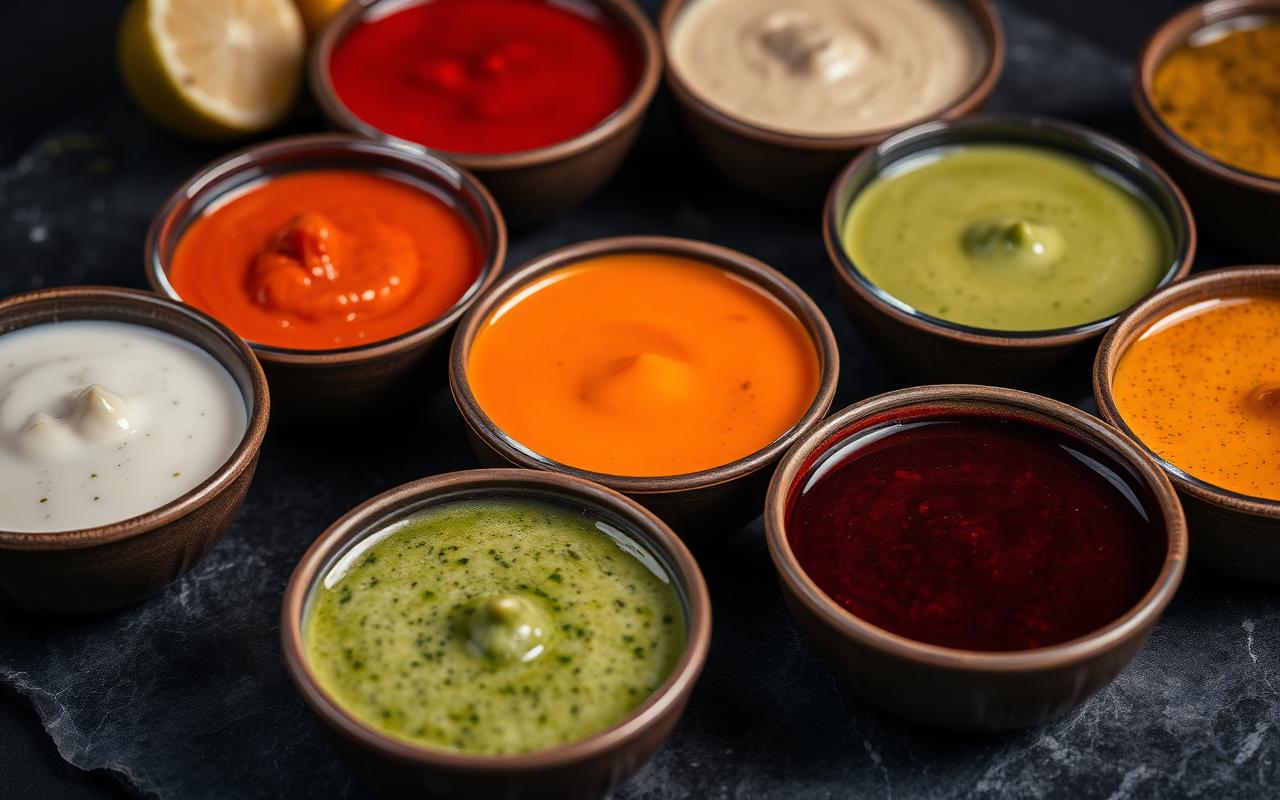
Sauces are no longer accompaniments. Across the 1,840 menus FSRI tracked between January and April 2026, condiments accounted for 23.4% of all new LTOs — outpacing proteins, sides, and beverages for the third consecutive quarter. Operators have learned what Korean and Mexican kitchens have practiced for generations: a distinctive sauce can carry an entire concept.
Why sauces are winning the innovation budget
R&D teams favor sauce launches because they require minimal back-of-house retraining, low capex, and almost no menu reformatting. A chef can debut a Calabrian honey aioli on Tuesday and remove it Friday without disturbing prep lists. That elasticity matters in a margin environment where labor still consumes 31.2% of revenue on average.
The cost profile also helps. A house sauce typically costs $0.08–$0.22 per portion, yet enables a $0.79–$1.19 upcharge when positioned as a signature. The implied markup far exceeds almost any protein or produce innovation. That arithmetic is well understood in culinary leadership circles, and it is driving budget allocation in a predictable direction.
"Sauces are the cheapest way to feel current. One SKU change can refresh six menu items overnight."
— Marco Tien, VP Culinary, Westline Hospitality
The five sauce families gaining share
- Crunchy chili oils. Chili crisp appears on 14.8% of fast-casual menus, up from 6.1% twelve months earlier. Variants now include black bean, scallion, and Sichuan peppercorn editions.
- Fermented citrus. Yuzu kosho, preserved-lemon aiolis, and black-lime crèmes have entered casual-dining tasting menus and are migrating to mainstream QSR dipping programs.
- Smoke-forward barbecue. Hickory and pecan blends are migrating from regional BBQ into national QSR breakfast, showing up on egg sandwiches and hash bowls.
- Green herb emulsions. Salsa macha verde, schug, and chimichurri remixes lead in build-your-own bowl formats, replacing ranch as the default "fresh" option.
- Honey heats. Hot honey appears on 9.3% of pizza menus, the steepest one-year category gain FSRI has ever recorded for a condiment. Versions infused with gochujang or ghost pepper are extending the lifecycle.
Regional variations operators are missing
The most under-exploited opportunity in sauce innovation is regional adaptation. National chains default to a single sauce rollout across all markets, but consumer preference data shows significant regional variation: guests in the Southeast over-index for vinegar-forward sauces by 31%, while West Coast diners prefer umami-led options at a 24% higher rate than the national average. Operators who version sauces by region report measurably higher attachment rates and lower cannibalization of signature items.
Mid-size regional chains have a genuine advantage here. A 40-unit Texas chain can launch a mesquite-smoked serrano crema that resonates with its specific guest base in ways a 2,000-unit national brand cannot. The authenticity premium is real and measurable: FSRI panels show guests rate regionally inspired sauces 14% higher on cravability scores than category-generic versions of the same condiment.
Building a managed sauce assortment
Sauce-led innovation rewards operators who treat condiments like a managed assortment rather than a spontaneous add-on. The highest-performing programs run three to five signature sauces simultaneously, refresh one per quarter, and maintain one permanent "house" sauce that anchors brand identity across all dayparts. Dipping upcharges are priced at $0.79–$1.19 and rarely affect order incidence — the value perception holds even at the higher end of that range when the sauce has a distinctive name and visible craft cues.
Concepts that codified a sauce program in 2025 reported a 4.6 percentage-point lift in attachment rate on craveable carriers — fries, tenders, and flatbreads. The lift is even higher for digital orders, where sauce selection is gamified through customization interfaces and guests spend, on average, 22 additional seconds engaging with condiment choices.
Forecast through Q3 2026
FSRI projects sauce-category LTOs will plateau near 24% of total innovation by late summer, then yield share back to handheld formats as operators turn attention to fall sandwich windows. The window is narrow — a distinctive house sauce launched this quarter still has six months of competitive whitespace before the category becomes fully saturated at the top of the market. Independent and regional operators are advised to move before national chains standardize the next wave. For operators looking to maximise sauce margin, the contribution-per-minute framework developed in our menu engineering report offers a practical pricing model. And for the broader consumer trends driving condiment attachment, see our spring 2026 consumer dining habits report.
Frequently asked questions
Crunchy chili oils led growth in early 2026, more than doubling penetration on fast-casual menus year over year. Hot honey is a close second on pizza menus specifically.
FSRI panel data shows the median sauce LTO runs 7.4 weeks, with the strongest performers extended into permanent menus within two quarters of their initial launch.
Dipping-sauce upcharges of $0.79–$1.19 are the prevailing range and rarely affect order incidence. Signature sauces with distinctive names hold the higher end of that range without resistance.
Regional and independent operators actually have an advantage — they can create authentically regional sauces that resonate with local guests in ways national brands cannot easily replicate. FSRI data shows regionally specific sauces score 14% higher on cravability than category-generic versions.
The highest-performing programs rotate three to five signature sauces simultaneously, refresh one per quarter, and anchor the lineup with one permanent house sauce that defines the brand across all dayparts.
Research analyst at the Food Service Research Institute, covering restaurant industry intelligence and menu innovation.