
Restaurant industry research and intelligence reports
FSRI publishes independent research for restaurant operators, suppliers, investors and foodservice professionals. This hub collects our methodology, report library, and analytical frameworks.
The U.S. foodservice industry in 2026
U.S. foodservice is on track to clear $1.21 trillion in sales in 2026, growing 4.4% in nominal terms and 1.8% in real traffic. That headline number, however, hides extreme dispersion. Top-quartile operators are growing 7–9% on same-store sales; bottom-quartile operators are contracting.
The middle of the distribution is the most uncomfortable place to be in this cycle — guests have become more selective, capital has become more expensive, and labor has become structurally tighter. The longer answer is what this research hub is built to deliver.
Four research panels, continuous cadence
Together these panels cover the full foodservice supply chain — from supplier shipments to guest behavior at the table.
Operator menu panel
Covers QSR, fast casual, casual dining, polished casual, fine dining, and noncommercial operators across all U.S. regions. Every menu change, LTO, price adjustment, and item retirement is captured and time-stamped.
Consumer dining panel
Oversamples 25–54 year-old urban and suburban households, where the marginal foodservice dollar disproportionately sits. Measures visit frequency, daypart mix, occasion type, ticket composition, and loyalty behavior.
Operator P&L benchmark
A confidential quarterly P&L collection — the basis for FSRI's labor, food cost, occupancy, marketing, and tech-spend benchmarks. The only panel of its kind covering multi-unit restaurant economics.
Supplier & ingredient panel
Active relationships with broadline distributors, specialty suppliers, and equipment manufacturers. Surfaces price, availability, and shipment trend data operators see weeks before it appears on order guides.
Eight reports, four cadences
Four non-negotiable principles.
We measure the same operators and consumers over time, so movement is real rather than artifactual.
When we redefine a category, we re-baseline historicals so trend lines remain comparable.
Our reports always disclose quartiles. An industry average is a useful but lossy summary.
We do not accept sponsored research engagements where the sponsor controls findings or framing.

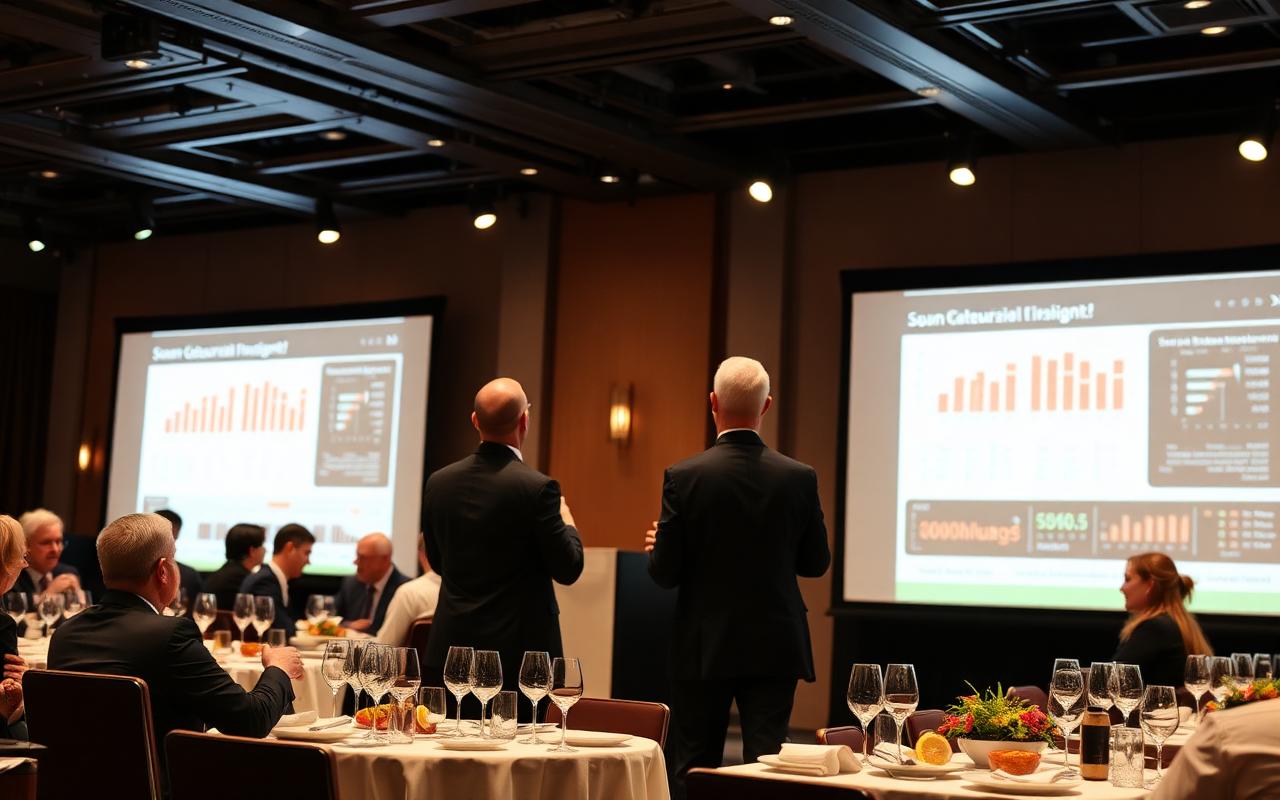
What the 2026 cycle tells operators to do.
- ▌Foodservice sales grow 4.4% nominal in 2026; dispersion between top and bottom quartiles is the largest FSRI has measured.
- ▌Specialty beverage is the single highest-leverage growth lever across every segment.
- ▌Operators consolidating tech vendors and pruning SKUs are widening the gap on the average.
- ▌Loyalty members are now the most defensible source of incremental traffic — treat the program as a P&L line.
- ▌Second-tier metros remain the most under-built geography in fast casual.
Latest from the intelligence desk
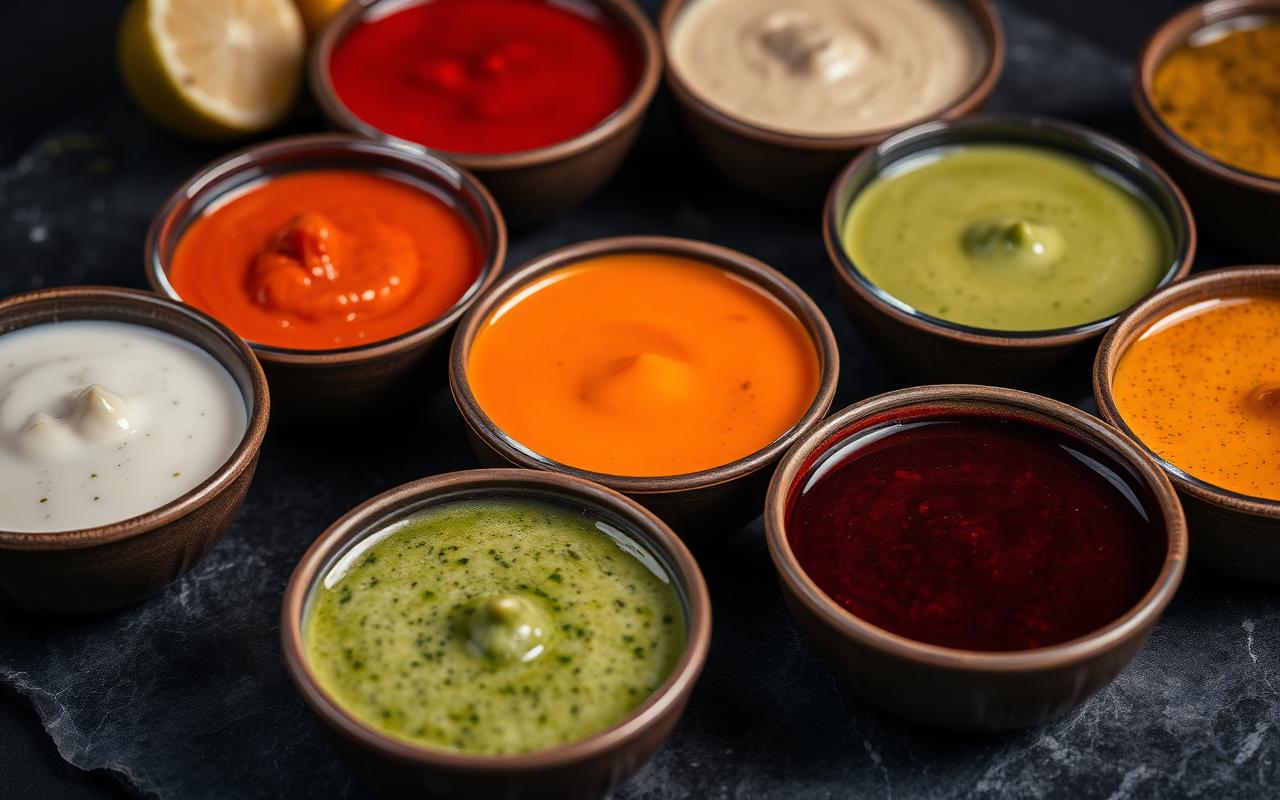
Emerging Sauces Shaping Modern Menus in 2026
From chili crisp variants to fermented citrus condiments, sauces have become the fastest-moving category in menu innovation.

Top-Selling Cheeses in America: 2026 Foodservice Ranking
Mozzarella still leads on volume, but pepper jack, feta, and birria-grade Oaxaca have rewritten the top ten.
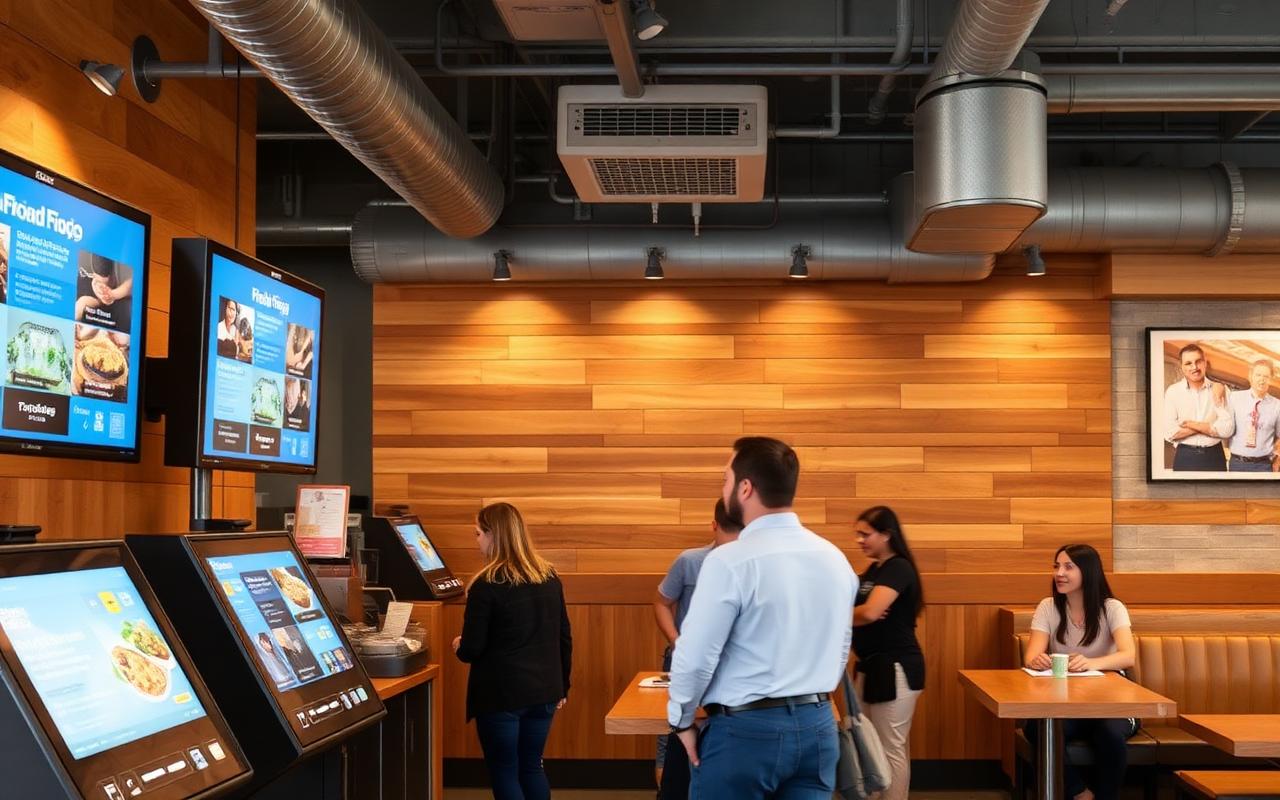
The Future of Fast Casual: Five Forces Reshaping the Segment
Fast casual added $3.1B in sales in early 2026. The next phase will be defined by format compression, menu focus, and second-tier expansion.
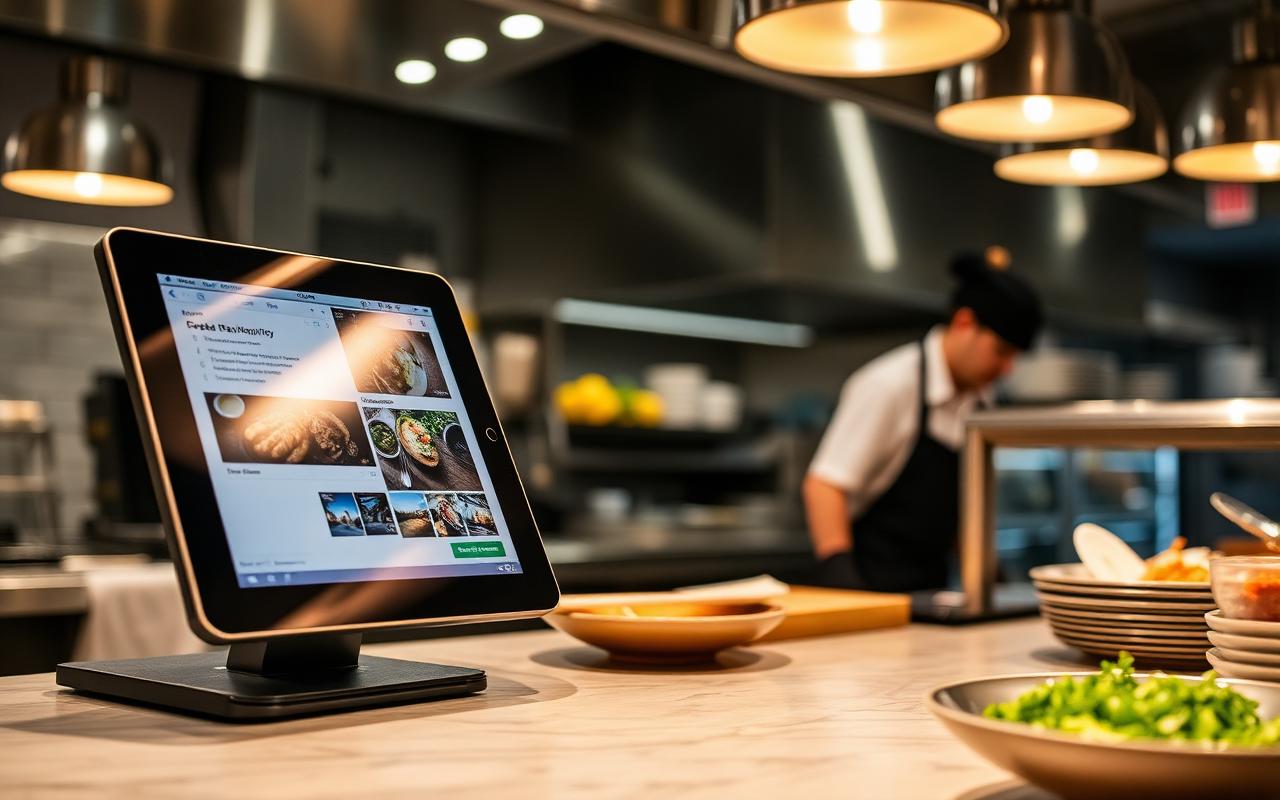
Restaurant Technology in 2026: The Stack That Actually Pays Back
Operators are consolidating tech vendors and walking away from AI features that don't lift labor or throughput.

Menu Engineering for Profitability in a 2026 Cost Environment
Food costs have stabilized, but labor and rent haven't. The new playbook leans on contribution margin per minute, not gross margin.

Consumer Dining Habits Report: How America Eats in 2026
Frequency is flat, but ticket has lifted. Five behavioral shifts every operator should understand.
Frequently asked questions
Is FSRI research available to non-subscribers?
Yes. Summary-level findings, methodology, and trend tracker excerpts are published openly. Full data sets, segment cuts, and operator-level benchmarks are available to subscribers and licensed clients.
How is FSRI funded?
FSRI is funded by subscription, syndicated research licenses, and a small number of custom-research engagements where the client does not control findings. We do not accept sponsored editorial.
Can I cite FSRI research in industry reports or earnings materials?
Yes. Citation guidelines are listed on each report. Our preferred citation format is: Food Service Research Institute, [Report Name], [Quarter Year].