
Top-Selling Cheeses in America: 2026 Foodservice Ranking
Mozzarella still leads on volume, but pepper jack, feta, and birria-grade Oaxaca have rewritten the top ten.
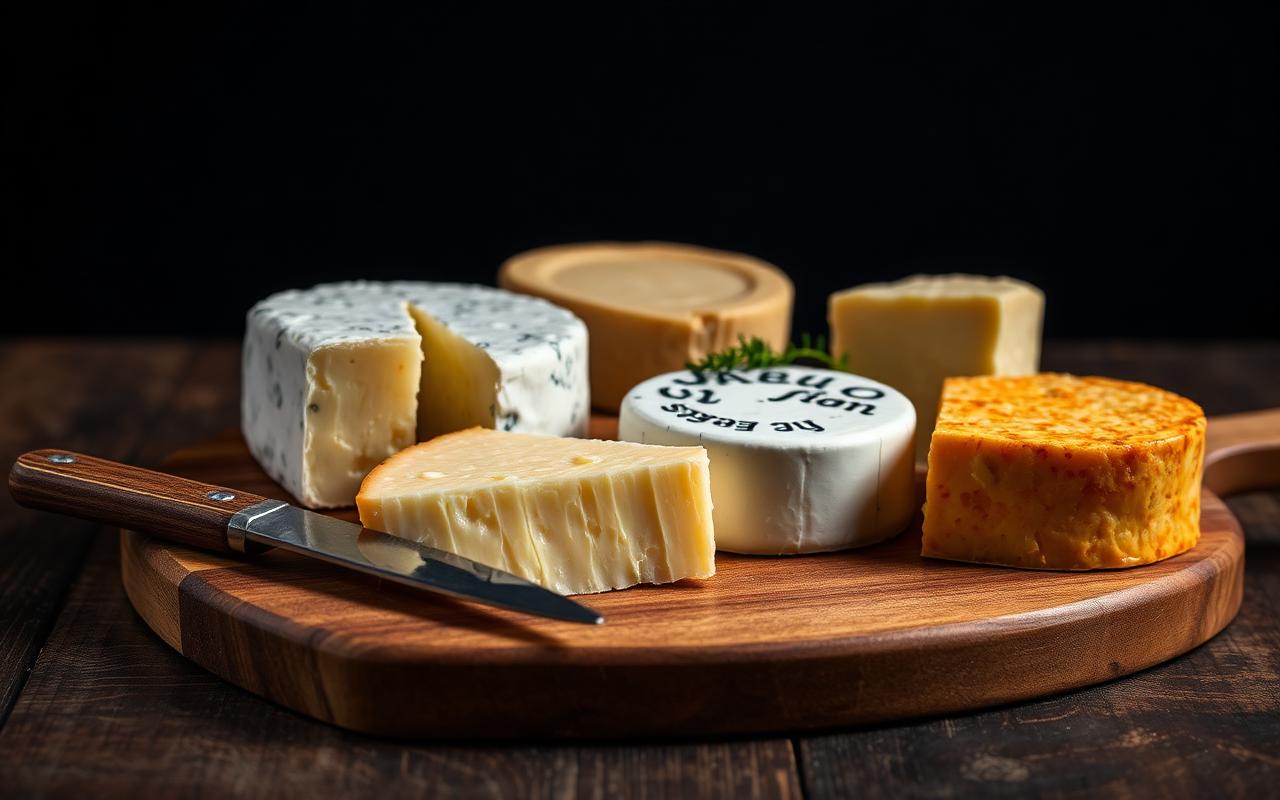
FSRI's 2026 Cheese in Foodservice tracker covers 12,400 operators across QSR, fast casual, casual dining, and noncommercial segments. Mozzarella remains the workhorse — 41.2% of all cheese pounds moved — but the more revealing story sits beneath it, where pepper jack and feta posted double-digit growth and Oaxaca more than tripled on the back of birria, smashburger, and quesabirria taco programs.
The 2026 ranking
| Rank | Cheese | Share of foodservice volume | YoY change |
|---|---|---|---|
| 1 | Mozzarella | 41.2% | +0.4 pp |
| 2 | Cheddar | 22.7% | -1.1 pp |
| 3 | American | 9.8% | -1.6 pp |
| 4 | Pepper Jack | 5.4% | +1.2 pp |
| 5 | Parmesan | 4.9% | +0.2 pp |
| 6 | Feta | 3.6% | +0.9 pp |
| 7 | Provolone | 3.1% | -0.3 pp |
| 8 | Swiss | 2.3% | -0.2 pp |
| 9 | Oaxaca | 1.8% | +0.7 pp |
| 10 | Blue / Gorgonzola | 1.1% | +0.1 pp |
Why American cheese is slipping
The contraction in processed American cheese reflects two structural shifts: the migration of quick-service breakfast to brioche-style buns where cheddar performs better, and consumer preference for visibly melted, ingredient-forward stacks. Several national QSRs reformulated their flagship cheeseburger in late 2025 to dual-cheese builds — often combining American with a more premium option — which diluted the single-slice American placement.
The processed-cheese stigma among younger guests (18–34) has also become a measurable headwind. In FSRI focus groups, 44% of Gen Z diners actively prefer "real" or artisan cheese descriptions on menus, and 31% say processed cheese formats negatively influence their order intent. These preferences are filtering into mainstream QSR decision-making at the brand level.
Oaxaca's breakout moment
Quesabirria, smashburgers with stretched cheese pulls, and Detroit-style pizza have made Oaxaca the most photographed cheese in operator social content. FSRI tracked a 187% YoY increase in Oaxaca line items on operator order guides. The visual cue — elongated cheese pulls that photograph dramatically on smartphones — has turned Oaxaca into a marketing asset as much as an ingredient.
Supplier capacity has not kept pace. Several operators reported 6–8 week lead times on premium Oaxaca SKUs in Q1 2026, and spot pricing moved up 18% during peak birria demand windows. Operators building concepts around Oaxaca should establish at least two certified supplier relationships and maintain 30-day inventory buffers to avoid menu unavailability events.
The feta factor: Mediterranean lift
Feta's growth is being driven by the Mediterranean bowl category, which added 2,900 new units in 2025 alone. The cheese benefits from a halo of perceived health attributes — lower fat per ounce than cheddar, high in calcium, and associated with cuisines that poll well on "fresh" and "clean" perception metrics. Crumbled feta is also a natural high-margin topping upcharge at $0.89–$1.29, making it a favored addition to any customizable format.
Outlook: What operators should stock
Expect feta and pepper jack to keep gaining through the remainder of 2026 as Mediterranean and Tex-Mex carriers expand. Mozzarella remains structurally protected by pizza, which is not showing meaningful market-share erosion. Cheddar's slow decline is now a multi-year trend — operators heavily dependent on cheddar in non-burger, non-breakfast applications should audit their exposure and identify premium or trending alternatives where margin supports a swap. For broader context on the categories driving foodservice growth this year, see the FSRI 2026 Industry Outlook. On the consumer side, Gen Z's shift away from processed cheese aligns with patterns detailed in our consumer dining habits report.
Frequently asked questions
Yes — mozzarella holds 41.2% of foodservice volume, primarily driven by pizza and Italian formats. Its lead has actually grown slightly year over year.
Oaxaca posted the largest percentage increase, up 187% year over year, lifted by birria and quesabirria programs and the social-media appeal of dramatic cheese pulls.
Two forces: the QSR breakfast migration to brioche buns where cheddar outperforms, and a measurable Gen Z preference shift away from processed cheese formats toward ingredient-forward alternatives.
The Mediterranean bowl category added nearly 3,000 units in 2025, bringing feta into mainstream fast-casual menus. Its health associations and high-margin upcharge potential make it attractive to operators.
Yes — demand has outpaced supplier capacity. Some operators reported 6–8 week lead times in Q1 2026, with spot pricing up 18% during peak demand. Operators should maintain dual supplier relationships and 30-day inventory buffers.
Research analyst at the Food Service Research Institute, covering restaurant industry intelligence and menu innovation.