
Analysis from the FSRI research desk
Long-form articles on restaurant industry trends, menu innovation, consumer dining behavior, foodservice technology and operator strategy.

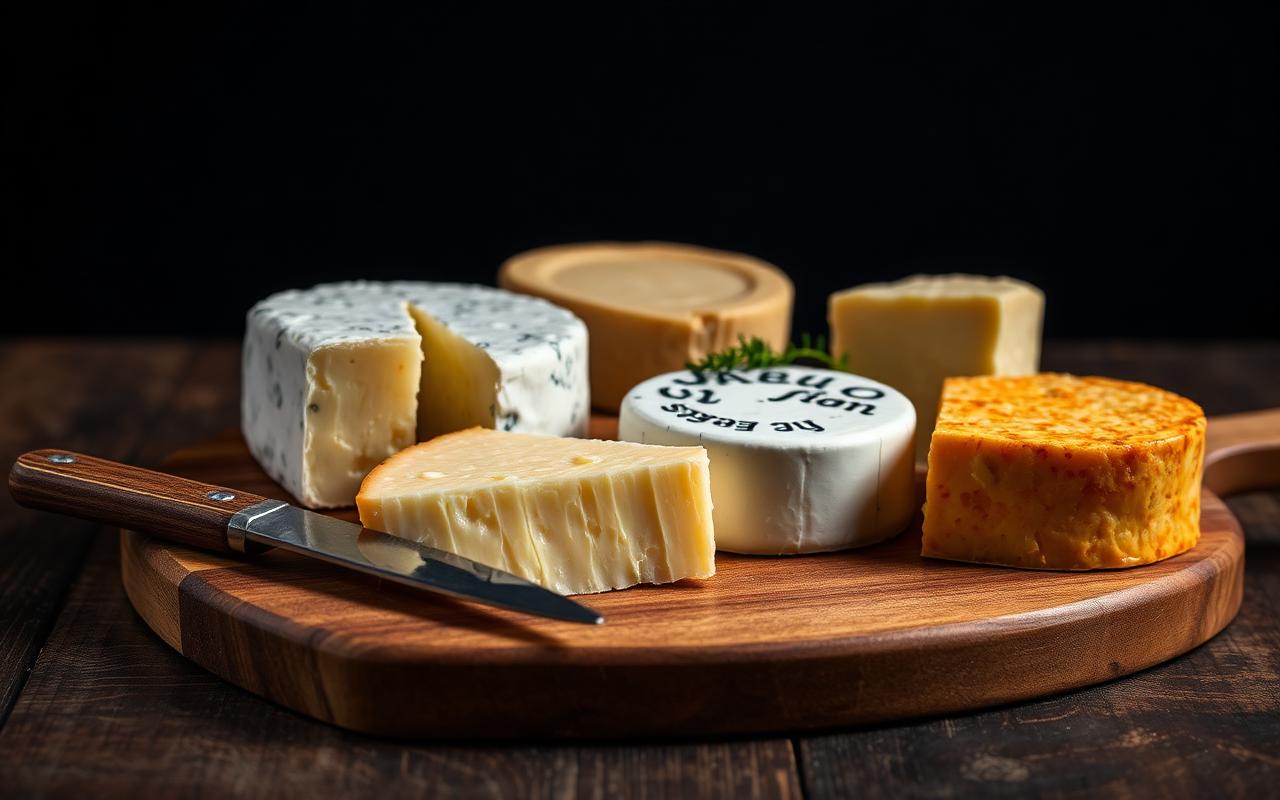
Top-Selling Cheeses in America: 2026 Foodservice Ranking
Mozzarella still leads on volume, but pepper jack, feta, and birria-grade Oaxaca have rewritten the top ten.
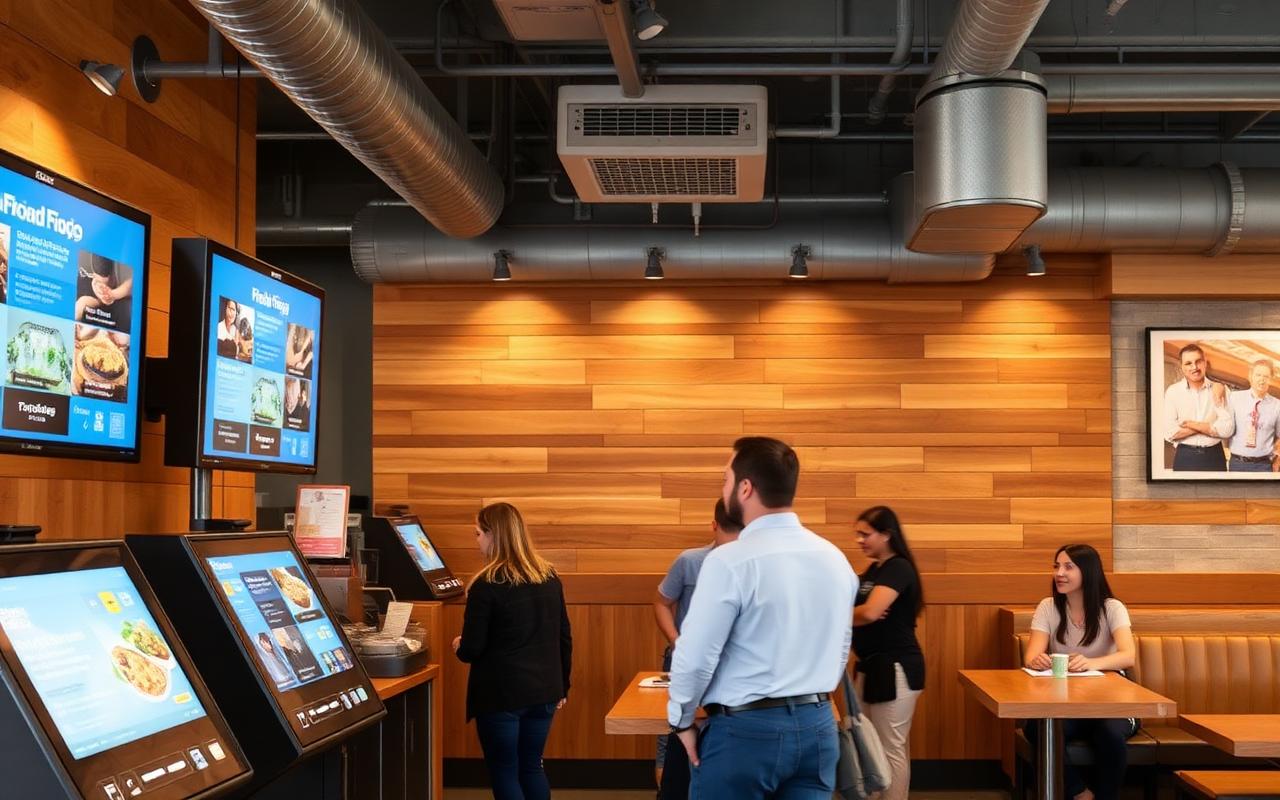
The Future of Fast Casual: Five Forces Reshaping the Segment
Fast casual added $3.1B in sales in early 2026. The next phase will be defined by format compression, menu focus, and second-tier expansion.
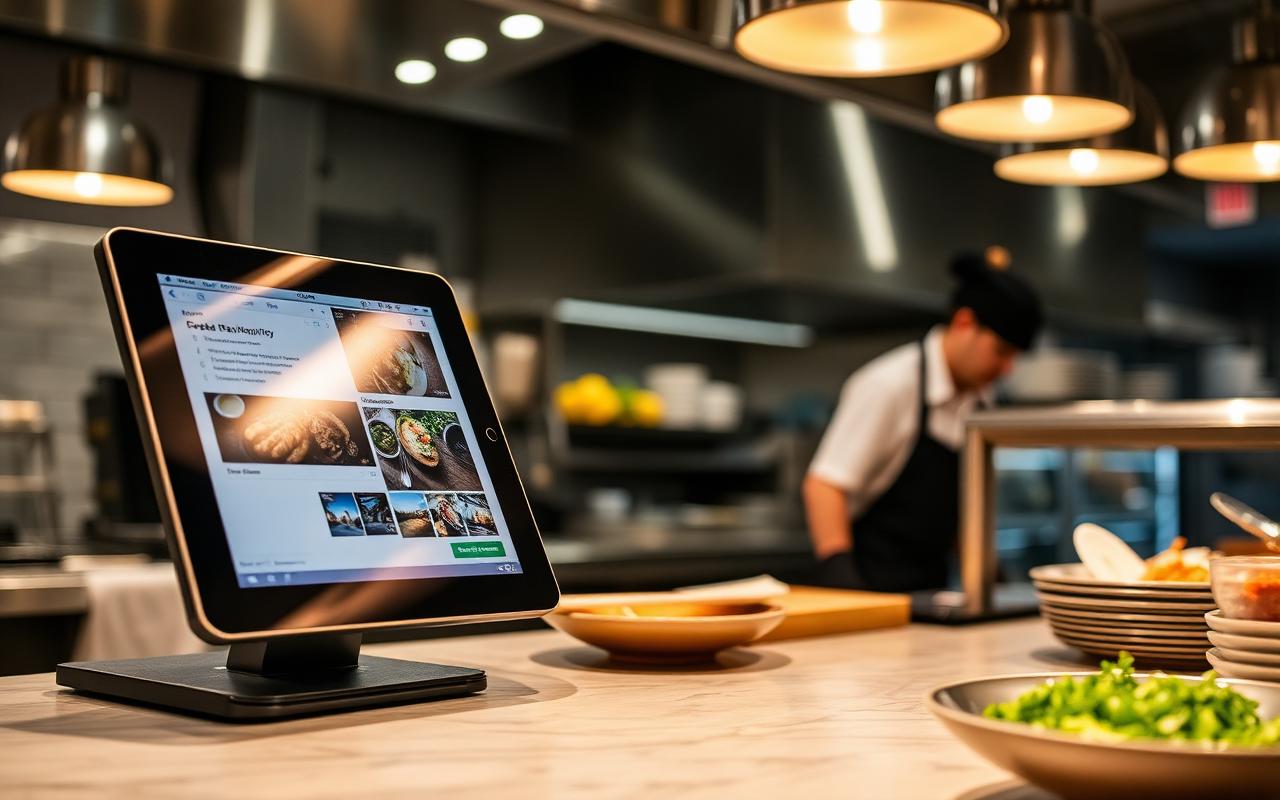
Restaurant Technology in 2026: The Stack That Actually Pays Back
Operators are consolidating tech vendors and walking away from AI features that don't lift labor or throughput.
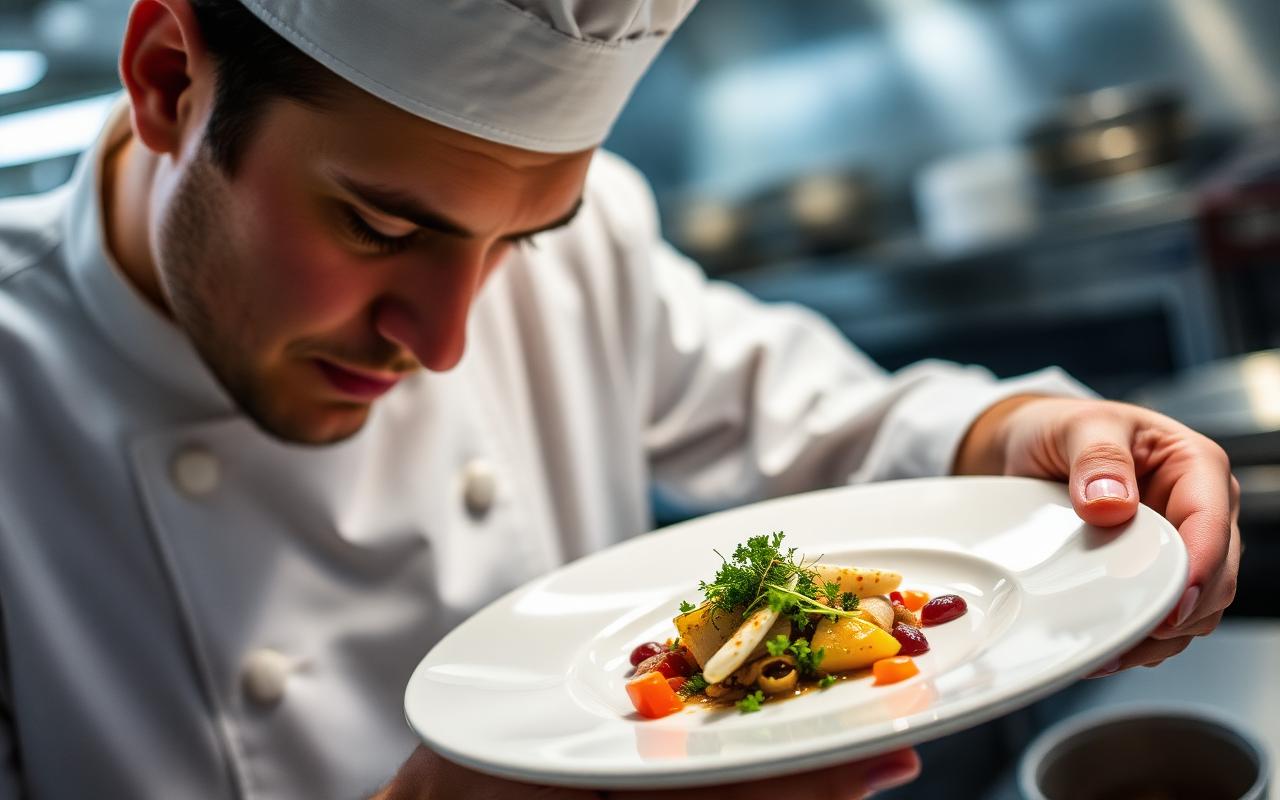
Menu Engineering for Profitability in a 2026 Cost Environment
Food costs have stabilized, but labor and rent haven't. The new playbook leans on contribution margin per minute, not gross margin.

Consumer Dining Habits Report: How America Eats in 2026
Frequency is flat, but ticket has lifted. Five behavioral shifts every operator should understand.
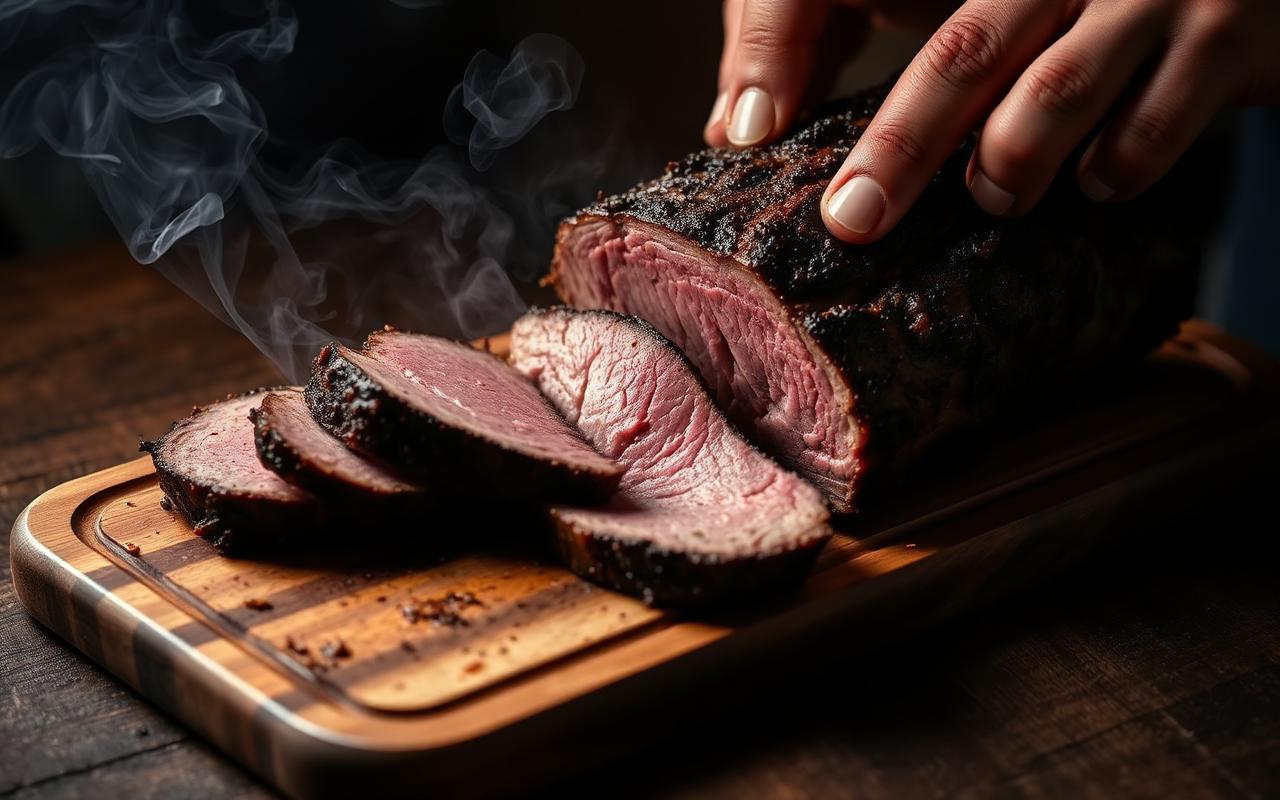
BBQ and Smoked Food Trends: The Premiumization of American Smoke
Wood-fired and smoke-forward formats are migrating from regional barbecue concepts into fast casual, QSR, and even breakfast.
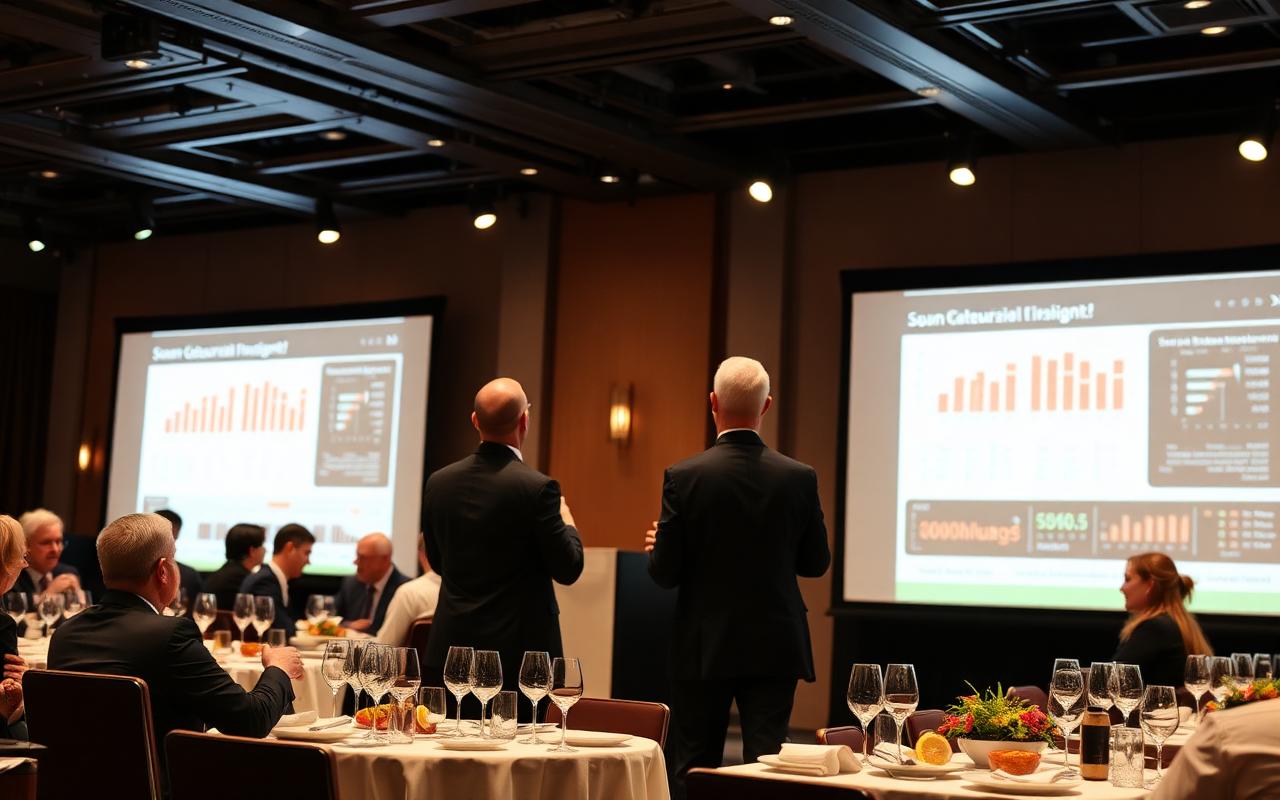
Foodservice Industry Outlook 2026: Where the Growth Is Hiding
FSRI's flagship outlook for executives, operators, and investors navigating the year ahead.
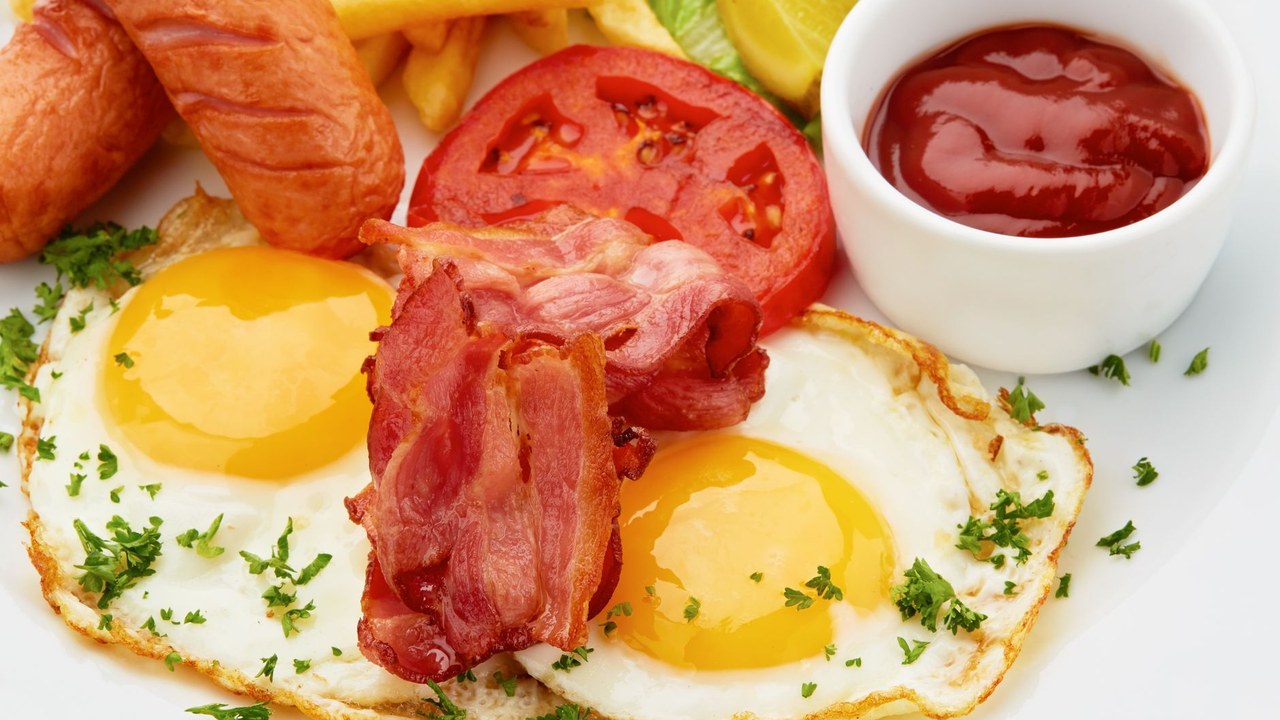
rich vs poor
The rich vs poor dichotomy is a significant factor in shaping consumer dining behavior, with 75% of high-income households reporting an increase in dining out frequency over the past year. In contrast, low-income households are opting for more affordable, off-premise options.
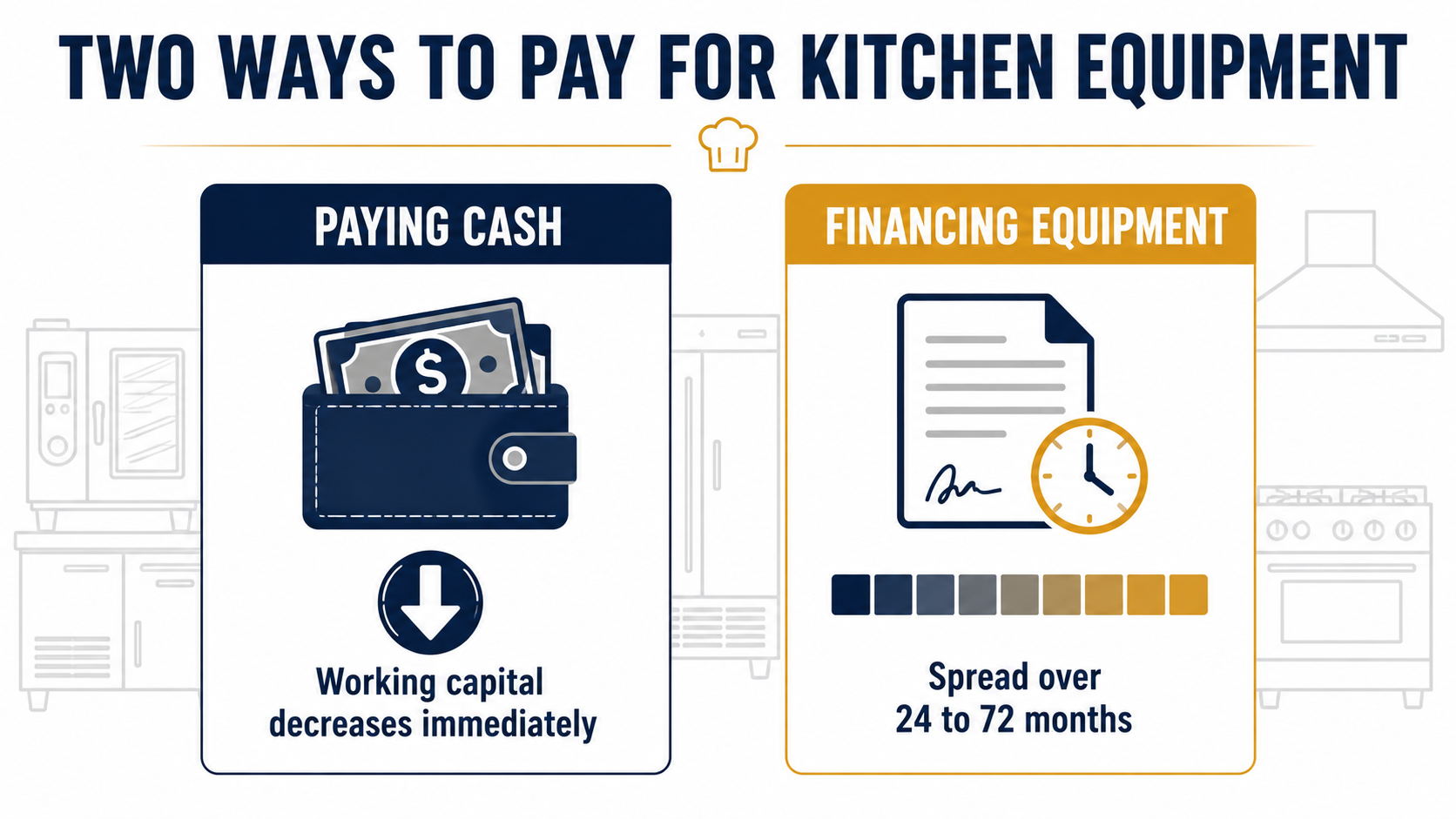
Why Restaurant Owners Are Rethinking How They Pay for Kitchen Equipment
Equipment costs are rising and margins are tighter. Here's why more restaurant owners are financing kitchen equipment instead of paying cash upfront.
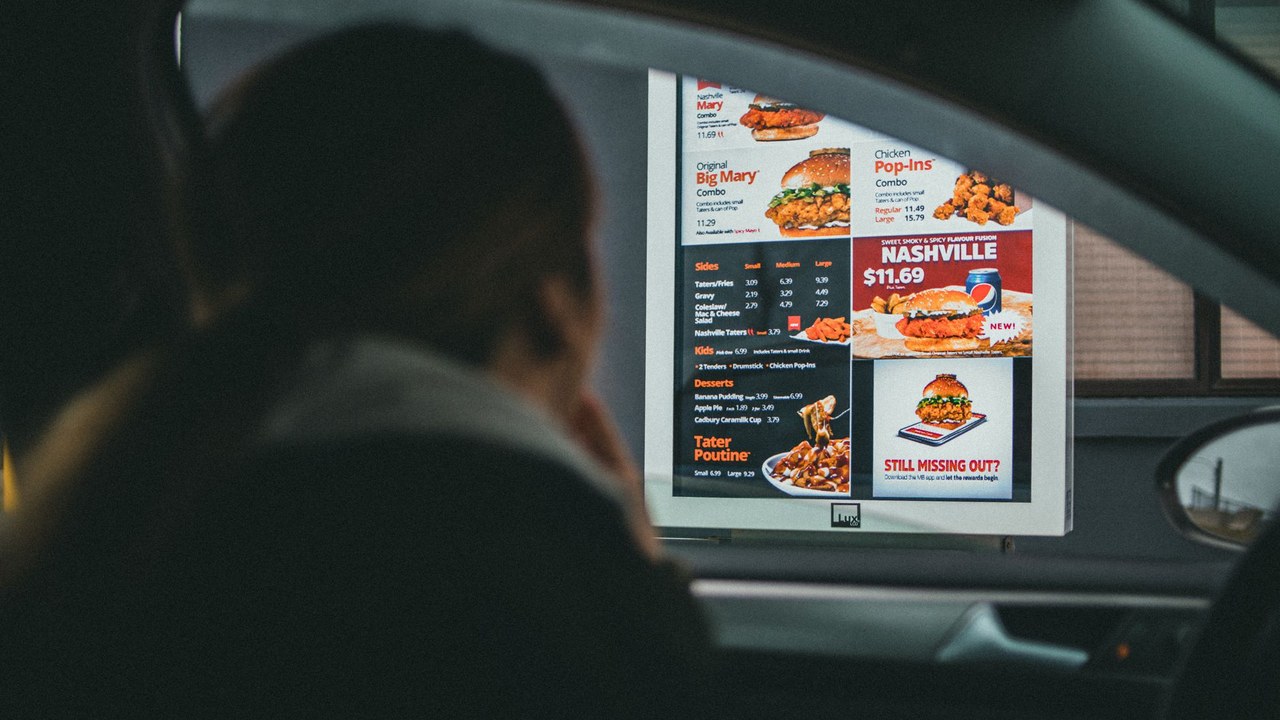
Why Menu Prices Are Rising Faster Than Food Costs This Year
This year, menu prices are increasing at a rate that surpasses the rise in food costs, primarily due to escalating labor and operating expenses, affecting the bottom line of restaurants. Our research indicates that operators must strategically manage their menus to maintain profitability.

Signs A Restaurant Concept Is Losing Consumer Relevance
A decline in consumer relevance can be a significant threat to a restaurant concept's longevity, with 70% of consumers reporting they are more likely to try new restaurants, and 60% of restaurants closing within their first five years. To stay ahead, executives must recognize the signs of dwindling relevance and adapt their strategies accordingly.