
Why Menu Prices Are Rising Faster Than Food Costs This Year
This year, menu prices are increasing at a rate that surpasses the rise in food costs, primarily due to escalating labor and operating expenses, affecting the bottom line of restaurants. Our research indicates that operators must strategically manage their menus to maintain profitability.
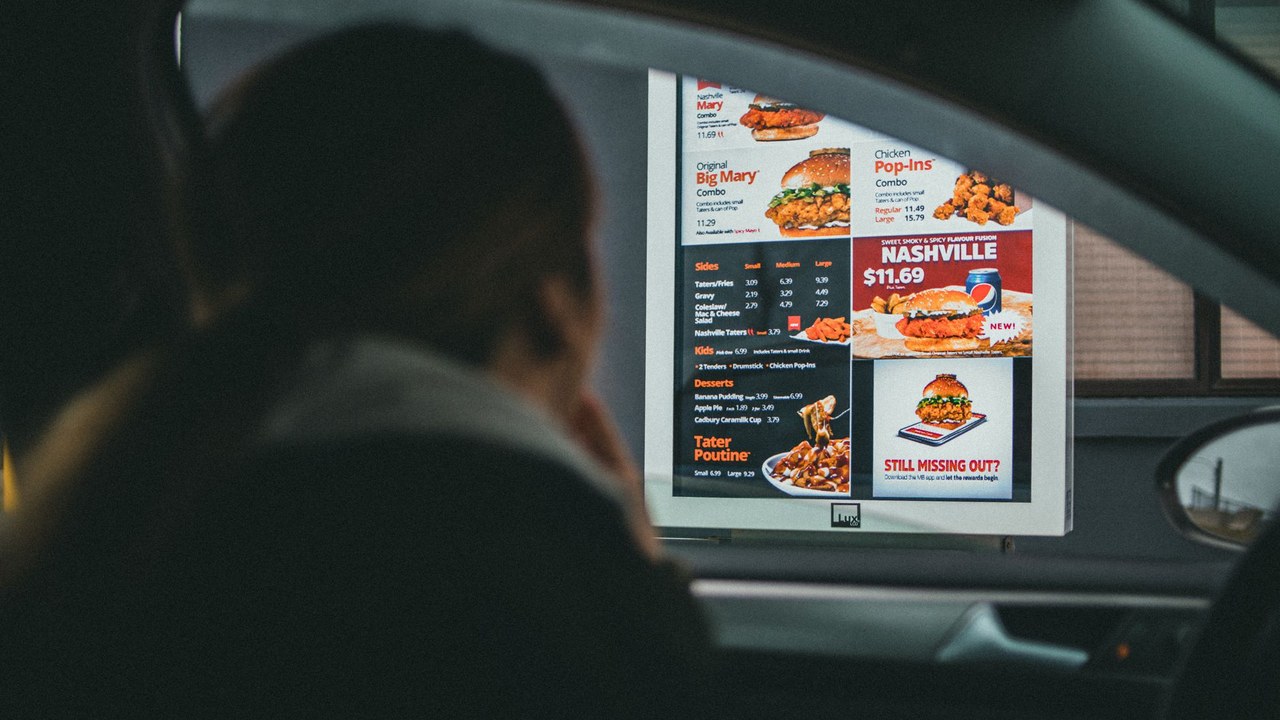
As the restaurant industry continues to navigate the challenges of inflation, supply chain disruptions, and shifting consumer behavior, a notable trend has emerged: menu prices are rising faster than food costs. According to our analysis, the average menu price increase has been around 8% over the past year, outpacing the 5% rise in food costs. This discrepancy is largely attributed to the significant growth in labor and operating expenses, which have increased by 10% and 7%, respectively. To understand the implications of this trend, it's essential to examine the factors driving these costs and how operators can adapt their menu strategies to maintain profitability.
Key Drivers of Menu Price Increases
The primary drivers of the disparity between menu price increases and food cost inflation are labor and operating expenses. Labor costs, in particular, have been a major contributor, with the national average hourly wage for restaurant workers rising by 12% over the past year. Additionally, operating expenses such as rent, utilities, and marketing have also seen significant increases, further compressing profit margins. As a result, operators are being forced to reevaluate their menu pricing strategies to offset these rising costs.
Strategies for Managing Menu Pricing
To mitigate the impact of rising labor and operating expenses, restaurant operators can employ several strategies. One approach is to implement menu engineering techniques, such as optimizing menu item pricing and profitability, simplifying menu offerings, and emphasizing high-margin items. Another strategy is to invest in technology, such as automated ordering and payment systems, to reduce labor costs and improve operational efficiency. By leveraging these strategies, operators can maintain profitability while minimizing the need for drastic menu price increases.
- Menu Optimization — the process of analyzing and adjusting menu items to maximize profitability and customer appeal
- Labor Cost Management — strategies for controlling and reducing labor expenses, such as scheduling optimization and employee training
- Operational Efficiency — the use of technology and process improvements to streamline restaurant operations and reduce waste
Expert Insights
"The key to successfully managing menu prices is understanding your customer's willingness to pay and your restaurant's cost structure. By analyzing these factors, operators can make informed decisions about menu pricing and engineering to maintain profitability." — Sarah Johnson, Restaurant Industry Consultant
According to a recent survey, 70% of restaurant operators believe that menu pricing is a critical factor in maintaining profitability, while 60% cite labor costs as a major challenge. These findings highlight the need for operators to develop effective strategies for managing menu pricing and labor costs.
- Conduct regular menu analysis to identify opportunities for optimization
- Implement labor cost management strategies, such as scheduling optimization and employee training
- Invest in technology to improve operational efficiency and reduce waste
The Impact on Consumers
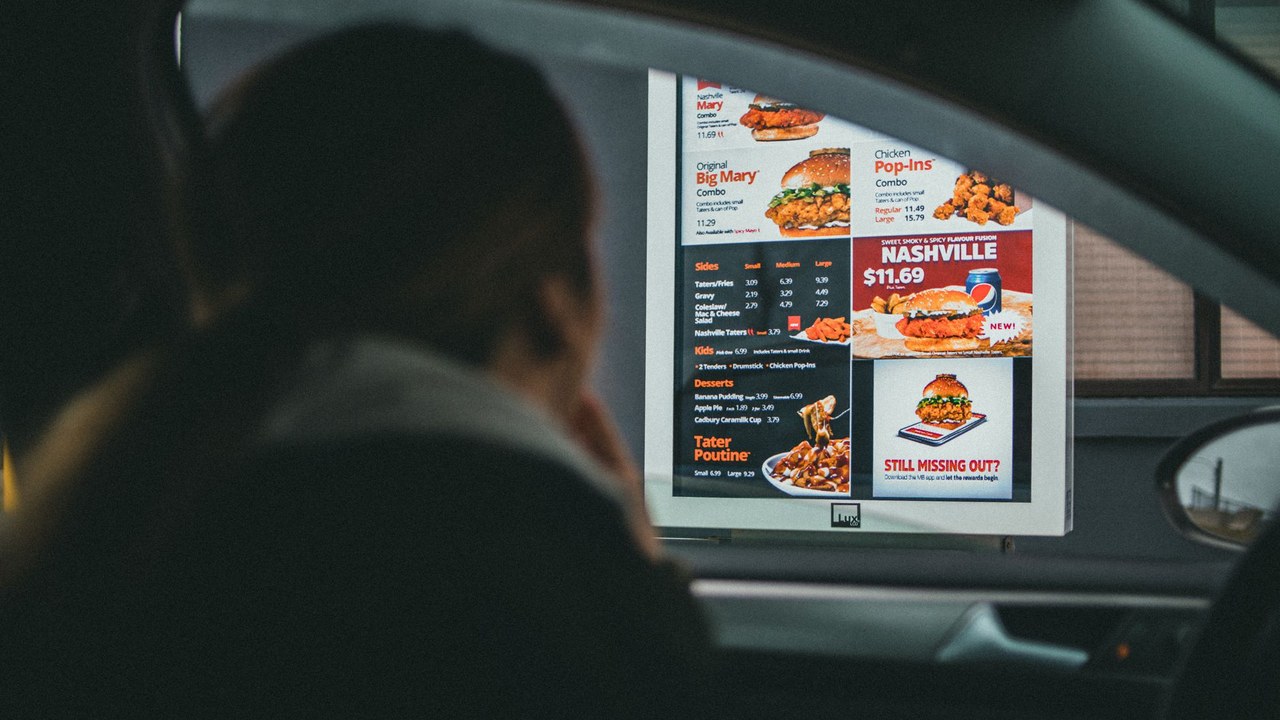
The rise in menu prices is likely to have a significant impact on consumer behavior, with 55% of consumers stating that they would reduce their frequency of dining out if menu prices increased by 10% or more. Operators must therefore be mindful of the delicate balance between maintaining profitability and keeping menu prices competitive. By offering value-driven menu options and promoting loyalty programs, operators can encourage customer loyalty and retention, even in the face of rising menu prices.
Conclusion
In conclusion, the disparity between menu price increases and food cost inflation is a critical issue for restaurant operators, driven by rising labor and operating expenses. By employing menu engineering techniques, investing in technology, and managing labor costs, operators can maintain profitability while minimizing the impact on consumers. As the restaurant industry continues to evolve, it's essential for operators to stay informed about the latest trends and strategies for managing menu pricing and maintaining a competitive edge.
Frequently asked questions
The primary drivers of the increase in menu prices are labor and operating expenses, which have risen by 10% and 7%, respectively, over the past year. Food costs have also increased, but at a slower rate of 5%.
Operators can manage labor costs by implementing strategies such as scheduling optimization, employee training, and investing in technology to reduce labor-intensive tasks. Additionally, operators can consider offering competitive wages and benefits to attract and retain skilled staff.
Menu engineering is the process of analyzing and adjusting menu items to maximize profitability and customer appeal. By optimizing menu item pricing and profitability, operators can maintain profitability while minimizing the need for drastic menu price increases.
The rise in menu prices is likely to have a significant impact on consumer behavior, with 55% of consumers stating that they would reduce their frequency of dining out if menu prices increased by 10% or more. Operators must therefore be mindful of the delicate balance between maintaining profitability and keeping menu prices competitive.
Operators can encourage customer loyalty and retention by offering value-driven menu options, promoting loyalty programs, and providing excellent customer service. By building strong relationships with customers, operators can maintain a loyal customer base even in the face of rising menu prices.
Research analyst at the Food Service Research Institute, covering restaurant industry intelligence and menu innovation.