
BBQ and Smoked Food Trends: The Premiumization of American Smoke
Wood-fired and smoke-forward formats are migrating from regional barbecue concepts into fast casual, QSR, and even breakfast.
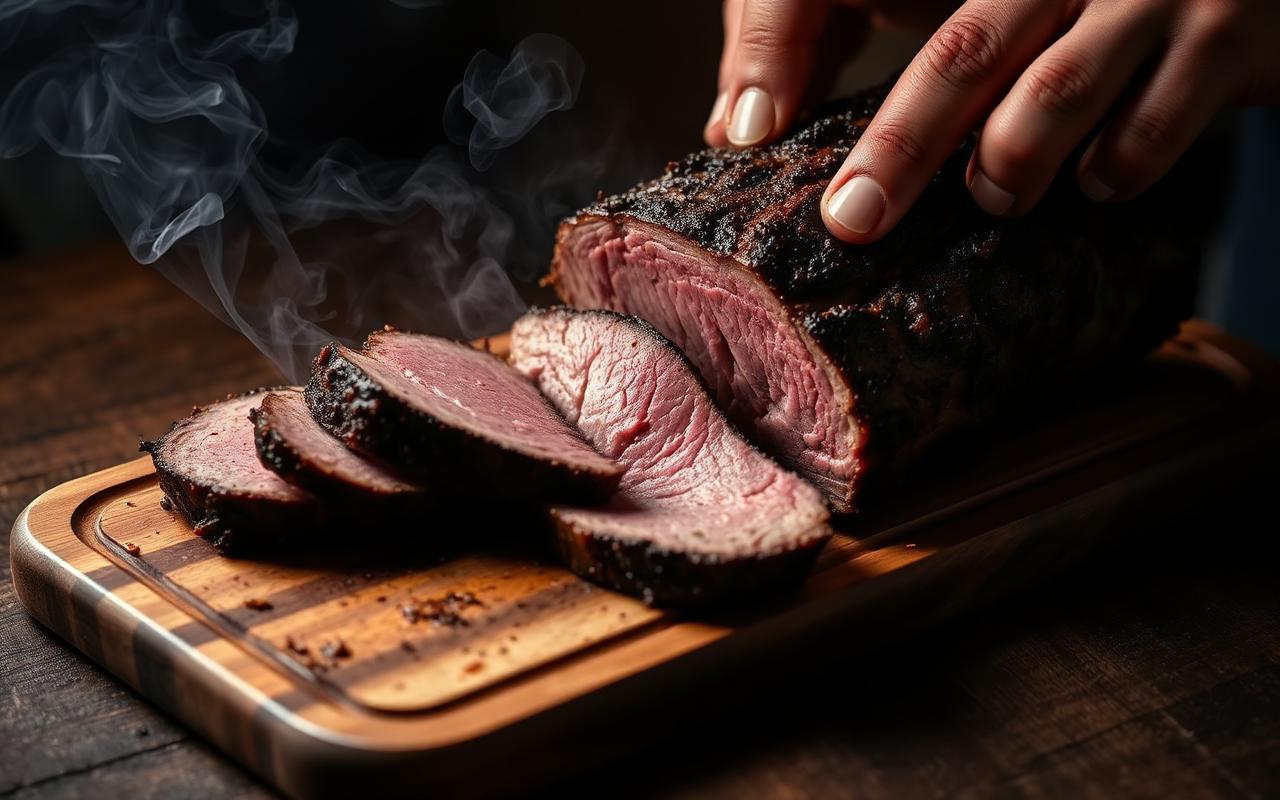
The American smoke story used to be regional: Central Texas brisket, Carolina pulled pork, Kansas City burnt ends, Memphis ribs. In 2026, smoke has gone horizontal. Pecan-smoked turkey shows up on QSR breakfast sandwiches. Hickory mayo anchors a national chain's signature burger. Cherrywood-smoked salt finishes a fine-dining tasting course in Manhattan. Smoke is no longer a regional tradition — it is a national flavor language.
Why now
Three forces converged to make this moment possible. First, wood-fired and pellet smoking equipment has become significantly cheaper and more accessible, with commercial pellet smokers now available at price points that work for fast-casual buildouts. Second, a generation of consumers trained on backyard pellet grills and weekend BBQ culture can now recognize and pay a premium for authentic wood smoke in a restaurant setting — they have educated their own palates. Third, operators saw social proof: wood-fired concepts were commanding $3–$5 higher tickets than gas-line equivalents serving equivalent proteins, and the premium stuck across repeated visits, not just for first impressions.
What's working on menus
- Smoked breakfast. Pulled brisket hash, smoked-bacon biscuits, and pecan-smoked sausage are anchoring AM dayparts at concepts ranging from QSR to upscale casual. The breakfast daypart, historically resistant to smoke, is opening up as guests connect morning smoked proteins with weekend cookout nostalgia.
- Smoke-finished proteins. Cold-smoked salmon and trout have moved from brunch novelty to weekday lunch at fast-casual Mediterranean and health-forward concepts. The cold-smoke technique imparts flavor without heat, enabling the "fresh fish" positioning that many fast-casual operators require.
- Smoked condiments. Smoked aiolis, hickory ketchups, and pecan honey are showing up as premium upcharges at $0.89–$1.49 — not throwaways. These represent the most accessible entry point for operators who cannot invest in smoking equipment, since smoked condiments can be sourced from specialty suppliers without on-premise production.
- Vegetable smoke. Smoked carrots, eggplant, cauliflower, and cabbage are giving plant-forward menus the craveable, savory depth they previously lacked. The "smoked" descriptor lifts purchase intent on vegetable items by 22% in FSRI menu testing, a larger lift than any other single descriptor tested in 2025.
The regional authenticity premium
Concepts that can credibly tie their smoke tradition to a regional heritage — Central Texas post-oak, North Carolina hickory, Memphis pecan — command measurable premiums over generic "hickory smoked" descriptors. In FSRI blind testing, the same protein described with regional provenance scored 18% higher on willingness-to-pay than identical proteins described with generic smoke language. For multi-regional chains, investing in named wood sourcing and regional narrative is worth the complexity.
Equipment and operational realities
The operational constraints of smoke programs are real and should not be minimized. Certified commercial smokers require hood ventilation upgrades that can add $15,000–$40,000 to buildout costs. Smoke cycles require 8–18 hours of supervised cooking for most proteins, which means overnight labor or next-day product commitment. Food safety protocols for temperature management in extended smoke environments require documented HACCP procedures and regular staff retraining.
The operators navigating this most effectively are using a hybrid model: smoke proteins in a central commissary kitchen and distribute to units, preserving authenticity while eliminating per-unit equipment complexity. This approach scales well for chains of 10+ units and maintains product consistency that individual-unit smoking cannot always guarantee.
The authenticity risk
Authenticity matters more in BBQ than in almost any other category. Guests who grew up next to a real pit smoker can identify liquid smoke and smoke flavoring at rates above 60% in blind taste tests. Operators investing in actual wood-fired equipment are seeing 2.1x the repeat visit rate of those using smoke-flavored shortcuts. The economics ultimately support the investment in real smoke programs — the shortcuts tend to deliver a one-time trial that doesn't repeat. For operators looking to extend their smoke program into condiments without adding equipment, the emerging sauces report covers smoked aiolis and hickory-based upcharge formats. The broader consumer research on how authenticity cues drive repeat visits is in our consumer dining habits report.
Frequently asked questions
It started regional, but smoke is now a national flavor language. Wood-fired and smoke-forward concepts are operating across QSR breakfast, fast casual, and fine dining in markets from Manhattan to Phoenix.
Yes — concepts using real wood report 2.1x the repeat visit rate of those using smoke flavoring alone. Guests with any familiarity with real BBQ can identify liquid smoke at rates above 60% in blind taste tests.
Smoked condiments sourced from specialty suppliers — hickory ketchup, smoked aioli, pecan honey — are the most accessible entry point. They require no on-premise equipment and can be priced as premium upcharges at $0.89–$1.49.
In FSRI menu testing, the 'smoked' descriptor lifted purchase intent on vegetable items by 22% — the largest single-descriptor lift recorded in 2025 testing, larger than 'organic', 'local', or 'house-made'.
Certified commercial smokers typically require hood ventilation upgrades of $15,000–$40,000 on top of equipment costs. Multi-unit operators often find central commissary smoking more cost-effective, producing consistent results and eliminating per-unit buildout complexity.
Research analyst at the Food Service Research Institute, covering restaurant industry intelligence and menu innovation.