
Foodservice Industry Outlook 2026: Where the Growth Is Hiding
FSRI's flagship outlook for executives, operators, and investors navigating the year ahead.
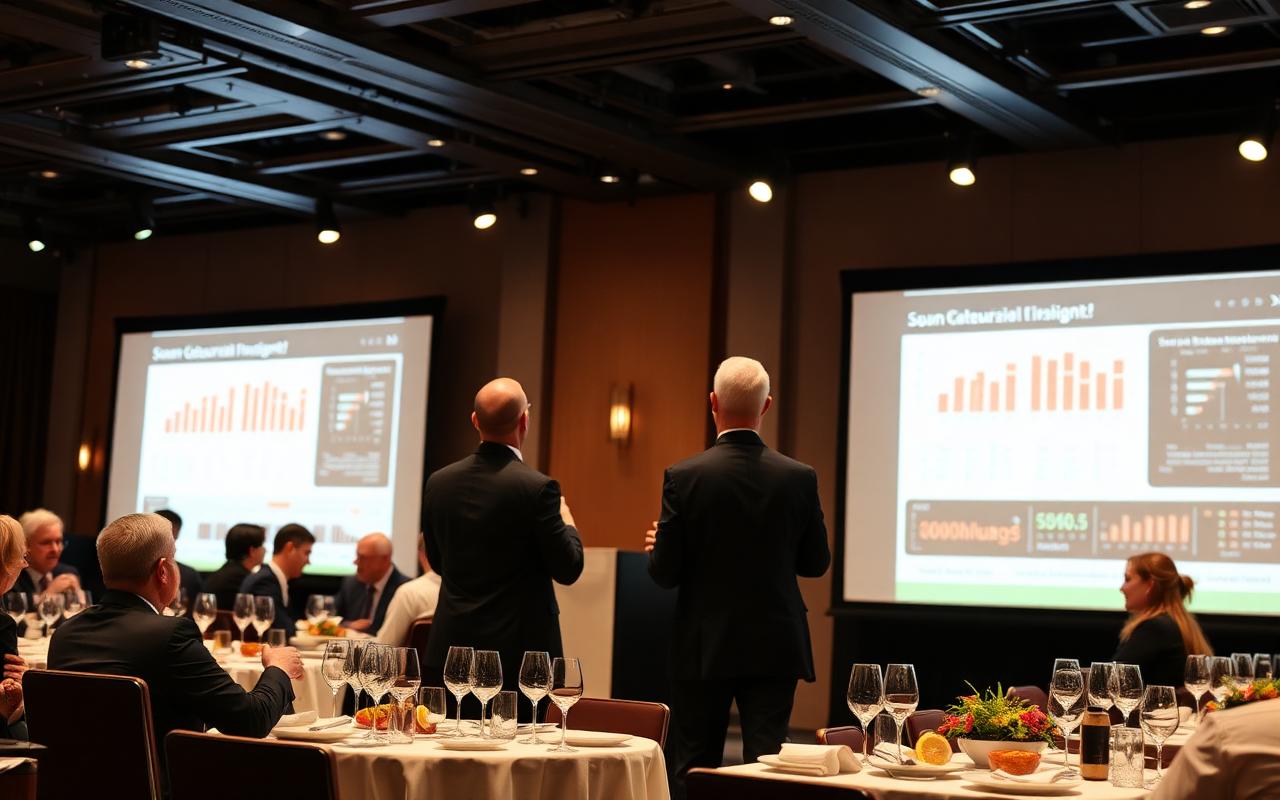
U.S. foodservice will cross $1.21 trillion in sales in 2026, growing 4.4% in nominal terms and 1.8% in real traffic. That headline understates the dispersion underneath: high-performing operators are growing 7–9% while the bottom quartile is contracting. The middle is the most uncomfortable place to be in this industry right now.
The macro frame
Food-at-home inflation has decelerated faster than food-away-from-home, narrowing the cost gap between cooking and dining out for the first time since 2022. That headwind is real, and it is most acute in the casual-dining value proposition, where the "occasion" justification for higher prices is weakest. The operators least affected are those offering either clear craveability that cannot be replicated at home, or speed and convenience that justifies the premium on a transactional basis. Generic casual dining — undifferentiated food in a mid-price dining room — faces the steepest structural headwind of any segment in 2026.
Where growth is hiding
- Second-tier metros. Greenville, Boise, Knoxville, Lehigh Valley, and Des Moines are out-pacing national traffic by 3–6 points. Per-unit economics in these markets are often superior to top-25 metro builds, with lower occupancy costs and first-mover brand equity available at scale.
- Specialty beverage. The fastest-growing line item across every segment, regardless of price tier. Concepts that treat beverage as a P&L line, not an afterthought, are consistently outperforming peers in ticket growth.
- Smaller footprints. Walk-up windows and pickup-only formats are unlocking real estate previously written off as too small to be viable. The 1,800–2,000 sq ft prototype is the growth vehicle of the cycle.
- Plant-forward sourcing. Not a marketing story — increasingly a cost-of-goods story. Plant proteins remain cheaper per pound than animal proteins in most categories, and operators who have invested in execution quality are retaining plant-forward guests at rates that rival their best protein programs.
- Loyalty as the new media buy. Members are the most defensible, lowest-CAC traffic source in a market where paid digital acquisition costs have risen 31% in two years. Operators with 500,000+ active loyalty members are running independent marketing channels.
Where to be cautious
Casual dining concepts at 5,500+ square feet with 40+ SKU menus face the steepest structural headwinds. Third-party delivery economics remain unfavorable in most categories — after platform fees, marketing spend, and incremental packaging, the effective margin on a third-party delivery order is 12–16 percentage points below a comparable in-restaurant transaction. Operators who have driven meaningful volume back to native channels are widening the gap against peers who remain heavily dependent on aggregators.
The labor market has stabilized but not reversed. Turnover in QSR and fast casual runs 94% annually on average, and the cost of replacing a single hourly team member — including recruiting, onboarding, and training-ramp — has risen to $1,850–$2,400 in most markets. Operators who have invested in retention programs, culture, and career pathing are seeing measurable competitive advantages in throughput, guest satisfaction, and food cost control.
Investor perspective
Capital is flowing toward fast-casual concepts with below-28-SKU menus and second-tier metro real estate pipelines. The investment thesis is consistent: smaller formats, leaner menus, and underpenetrated markets produce superior unit economics, which in turn support faster and more confident expansion. Casual dining is seeing compressed multiples as the structural challenges become harder to argue away. QSR remains well-capitalized but faces margin pressure from labor and commodity inflation that is difficult to offset through pricing alone.
The 2026 thesis in one sentence
Win the chosen occasion, build a beverage business inside your food concept, treat loyalty as a P&L line rather than a marketing program, stay small and focused, and prioritize second-tier metro locations over saturated top-ten markets. The operators executing all five of these imperatives simultaneously are the ones FSRI expects to be writing the industry's next growth chapter. The format and menu discipline behind these imperatives is detailed in our fast casual segment report, while the behavioral data underpinning the occasion-driven strategy comes from the spring 2026 consumer dining habits study.
Frequently asked questions
FSRI projects $1.21 trillion in U.S. foodservice sales in 2026, growing 4.4% nominally and 1.8% in real traffic terms — with significant performance dispersion between the top and bottom quartiles.
Fast casual leads on traffic growth; specialty beverage leads on dollar growth across all segments; second-tier metro markets lead on geographic expansion opportunity.
The cost gap between cooking at home and dining out has narrowed for the first time since 2022, and casual dining's value proposition is the weakest in the segment landscape. Concepts with undifferentiated food in large dining rooms at mid-prices are losing traffic to both fast casual (speed, value) and fine casual (experience, craveability).
After platform fees, required marketing spend, and incremental packaging costs, the effective margin on a third-party delivery order is 12–16 percentage points below a comparable in-restaurant transaction. Operators recapturing these orders natively are producing materially better P&Ls.
The cost of replacing a single hourly team member — including recruiting, onboarding, and training ramp-up — has risen to $1,850–$2,400 in most U.S. markets. With industry average turnover at 94% annually, retention programs have a direct and measurable ROI.
Research analyst at the Food Service Research Institute, covering restaurant industry intelligence and menu innovation.